9 Tips to Fast Safely and Maintain Immunity During the Global Pandemic

The holy month of Ramadan is here, where Muslims round the globe observe fasts to celebrate the month-long festival. Generally, Ramadan involves social and non secular gatherings. Muslims along side their friends and families get together to wish , also as, to interrupt their fasts. However, amidst the worldwide pandemic, Ramadan has taken on a replacement meaning where social gatherings are banned, everyone has been confined to their homes, and maintaining a healthy system has become paramount keep oneself healthy while fasting.

Read More: NutriFit India
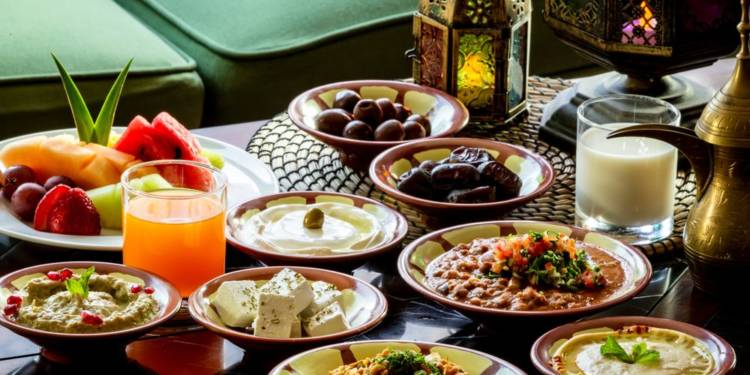
Since, our system is liable for avoiding viruses and germs and protecting us against diseases, it’s important to require measures and make sure that our system remains strong. consistent with recent studies, although the quantity of necessary nutrition intake doesn’t change, fasting Muslims got to make sure that the required nutrients are included in their Suhoor and Iftaar. Moreover, as fasting lasts for an extended period, people tend to prefer sweet foods and drinks which reduces the chance in fulfilling the nutritional intake needed by the system . Therefore, one must follow a healthy and diet that’s full of enough vitamins and minerals for they have a tendency to stay within the body for an extended period.

In addition, here are a couple of tips which will assist you maintain a healthy system while fasting during Ramadan.

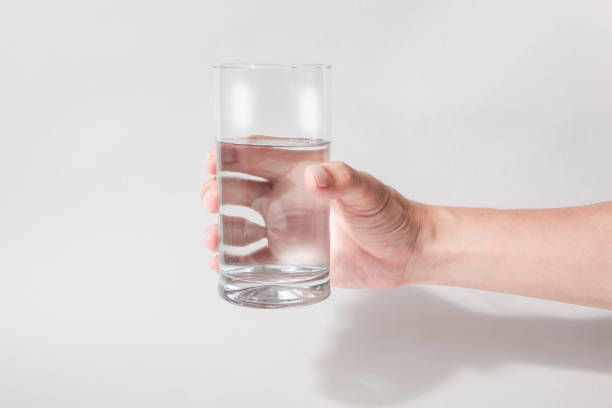
1. Drink enough water

Maintaining fluid levels during the season of Ramadan is extremely important mainly thanks to the long hours of fasting and high temperatures. Water helps maintain the balance of electrolytes within the body and it’s necessary for the absorption of the many nutrients. Therefore, drinking a minimum of two cups of water during Suhoor and spreading out two liters of water between Iftaar and Suhoor is vital . this manner you not only keep your body hydrated and ready for the remainder of the day but you furthermore may naturally eliminate toxins and other bacteria which will cause infections.

2. Get adequate sleep

In general people sleep during the night for six-eight hours, however, this is often impossible during Ramadan. Trying to form up for the lost sleep is vital to maintaining health and wellbeing during this era . Therefore, try getting to bed at 11 p.m post Iftaar then awaken at 3.30 a.m for Suhoor and Fajr, then one can return to sleep at 6 a.m for 2 hours. This routine may require you to sacrifice or reduce spending time with family or going about other activities, but your body will surely many thanks for ensuring enough sleep. Following such routines not only strengthens your system but also makes Ramadan fasting a healthy and enjoyable experience.

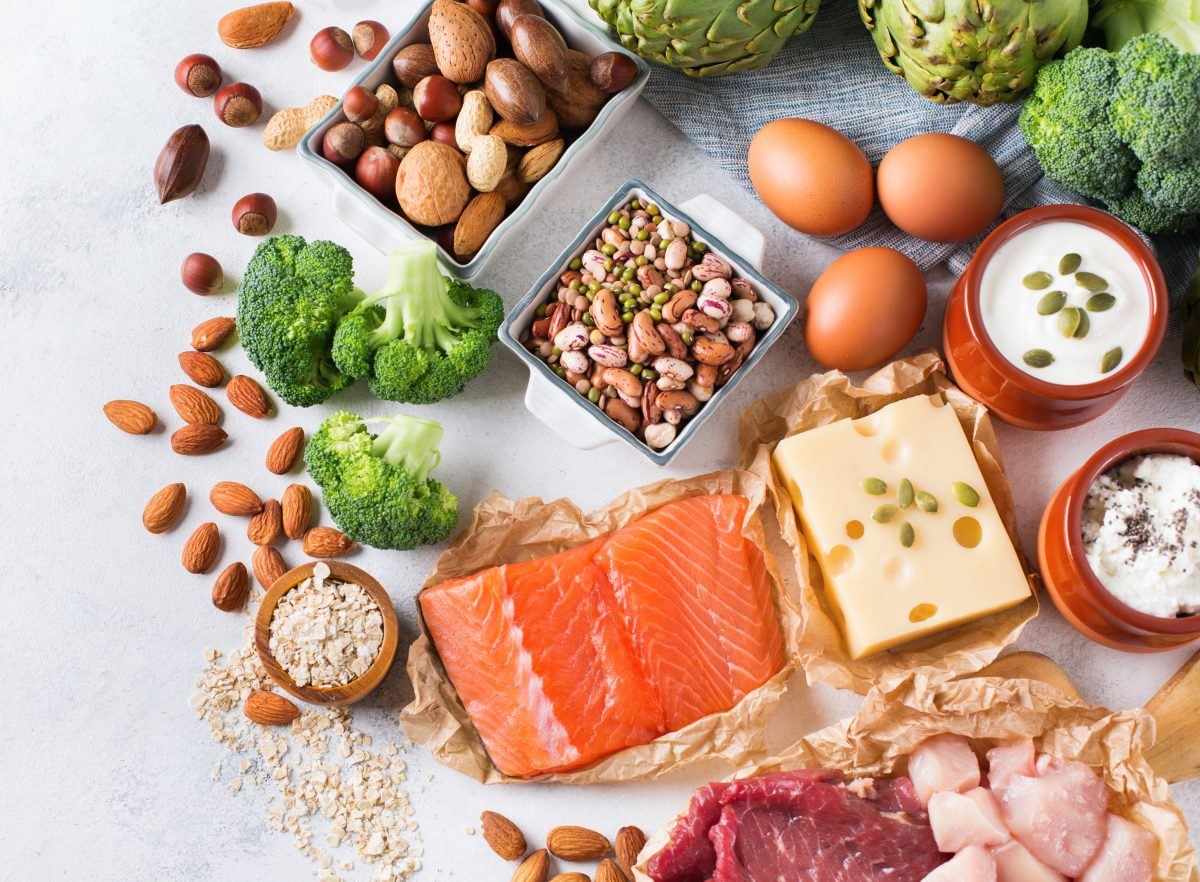
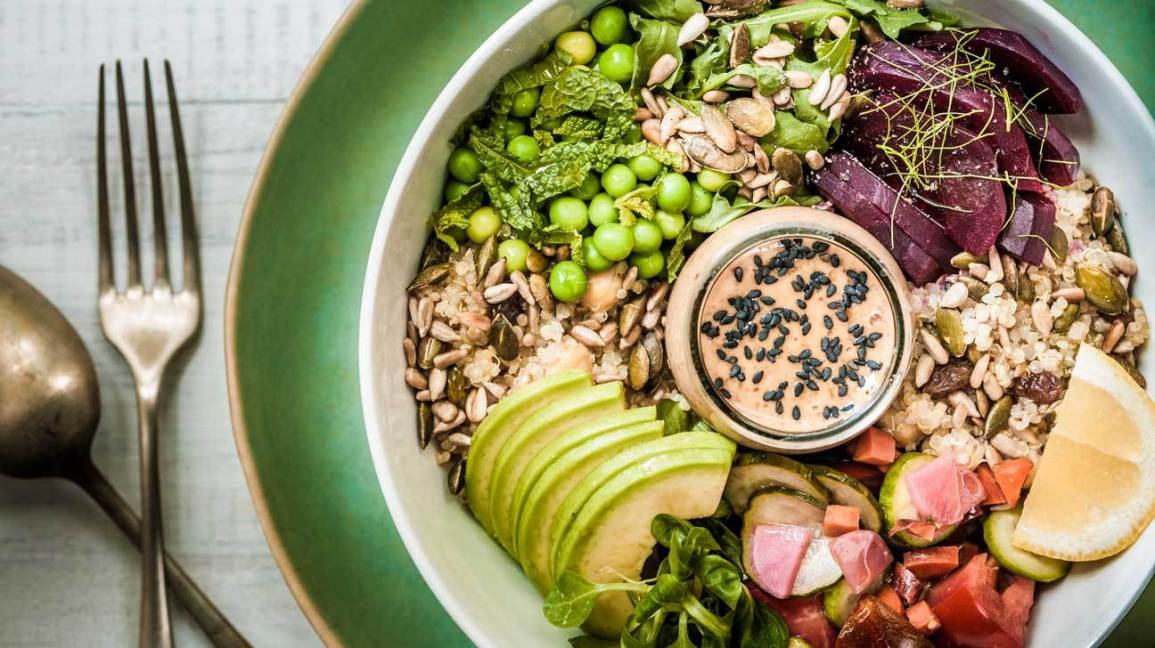
3. Consume more vegetables, fruits, and protein

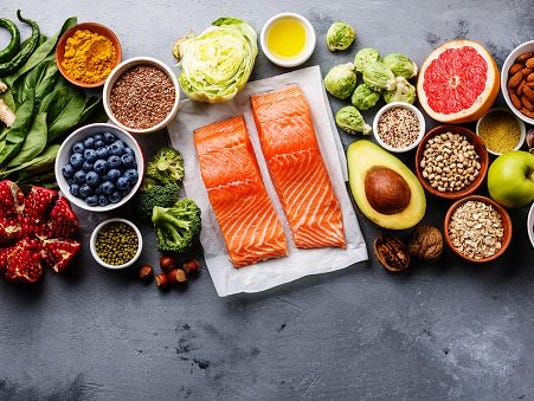
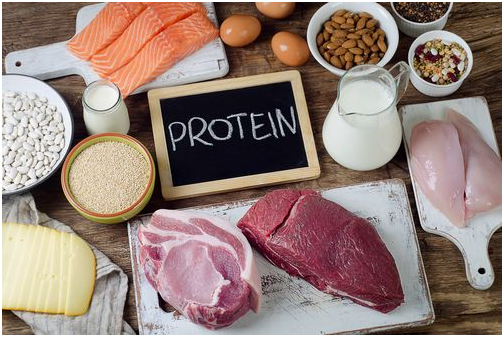
During fasting, one is more susceptible to a slowed metabolism also as muscle tissue breakdown. to stop this, eating a spread of nutrient-rich foods during the first morning and evening is cardinal. Consuming more vegetables, fruits, nuts, whole grains, legumes, lentils, and protein-rich foods not only keeps you full for extended but also ensures your blood glucose levels are intact. Moreover, Choosing healthy foods over processed, and packaged foods help keep cells active and healthy, thereby providing the body with enough nutrients required to fight infections and build immunity.

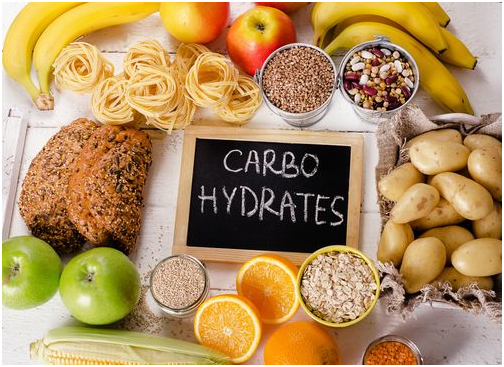
4. Add enough fiber to your diet within the morning and avoid carbs and fatty foods in the dark

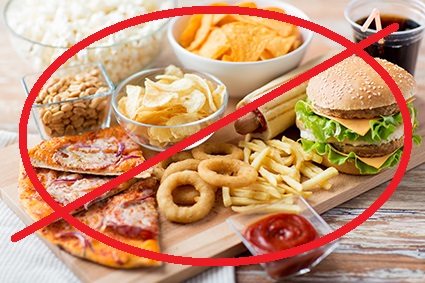
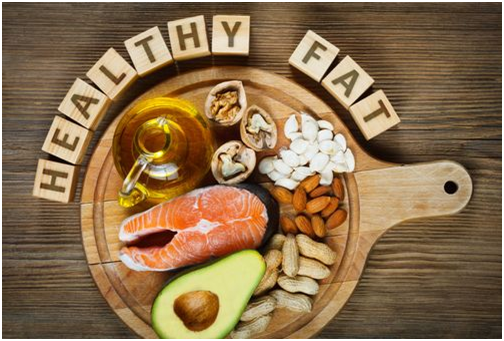
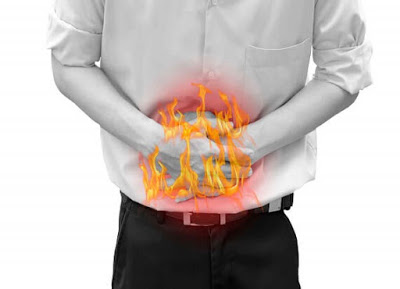
Consuming high fiber and whole-grain foods are recommended during Suhoor because it promotes better satiety, improved lipid levels, and bowel function. Therefore, vitamin B, A, C, E, and D fruits and vegetables should be added to your diet. However, it’s been advised by several nutritionists to avoid carbs and fatty foods (fried or processed) during Iftaar. this is often because they not only contribute to weight gain but also cause acidity and indigestion. Nevertheless, our body still requires fats for hormone production, maintenance of cell wall health and absorption of vitamins. So, the key’s to feature healthy fats and carbs like eggs, avocado, flaxseed, nuts, and meat to your diet. this manner you stay healthy, keep your system top-notch, and are prepared for Ramadan fasting.

5. Have many fermented foods

Fermented foods like yogurt, tempeh, and kefir destroy “bad” bacteria and reinforce “good” ones. These acidic byproducts protect the intestines against “harmful” bacteria and other invasive microorganisms. aside from protecting us, these foods also improve digestibility and nutrient absorption. “Good” bacteria also activate the synthesis of certain vitamins within the alimentary canal , creating an indoor nutrient factory. most significantly , fermented foods boost the system and stop us from diarrhea, infections (salmonella), and other digestive disorders that cause intestinal and respiratory disorders, and allergies. So, this Ramadan, don’t recoil from adding these foods in your diet for they’re significant in ensuring your overall well being.

6. Exercise

It are often hard to take care of a traditional workout during Ramadan, thanks to interrupted sleep and lack of liquids within the body. However, so as to stay healthy and keep your system functioning properly, finding the time to exercise will cause many benefits. Exercising during this era will help keep your energy levels high, your mind stress-free, and metabolism steady. One can specialise in exercise formats from strength training to cardio or simply enhancing one’s flexibility. However, one must confirm the intensity of those exercises isn’t high because it may cause you compromising your health. Simple exercises like taking small walks, climbing stairs, doing stretches will suffice largely during this era .

The best time to exercise would be either 90 minutes before sunset or after your evening meal. this manner you’re ready to urge the workout in and obtain the replenishment you would like after.

7. Rid your body of poisons

Adding greens like dill, parsley, and mint are often consumed especially during Sahoor, as they both refresh the breath and purify the body. These greens are often added to your salads or yogurt finely chopped. These herbs also are high in antioxidants and may strengthen immunity and rid your body of poisons . aside from greens, having herbal teas or tea with lemon would even be good for your body. However, if you’re not a lover of tea or greens, you’ll always make soup with lentils, chickpeas, oats, or chicken.

8. stand back from caffeinated drinks

Coffee and a few other carbonated drinks have an honest amount of caffeine in them which when had cause restlessness and insomnia. Besides, these drinks don’t hydrate and keep you looking for water the entire day. So staying faraway from these drinks and choosing plain water or coconut milk are the simplest alternatives during fasting.

9. Avoid overeating

In general, people are of the thought that they need to dump in a lot of food during their eating window to sustain for an extended time. However, this is often not the case as hoarding food during late evening not only disrupts your sleep but also brings about other problems like indigestion and other gastric issues. Therefore, during Ramadan, eating normal meal sizes will assist you feel more comfortable , recover sleep, and even reduce during the fasting period. If you’re trying to find meal replacements, you’ll always add a protein shake 1-2 hours before you sleep. this manner your hunger levels are in tune and satiety levels in situ .

Summary

As this may be our first Ramadan during an epidemic , it’s important to possess faith, pray, share, and most significantly care. it’s also imperative that we concentrate to what our body needs and do what’s best for it. aside from the ideas that are mentioned above with regards to nutrition and immunity, we must also confirm to stay to the items that we do know: frequent hand washing, hygiene, social distancing, and self-isolation.

Latest Articles:

Protein-Rich Foods Required In Your Diet

The Best Indian Diet Chart to reduce For Females

Healthy Drinks to spice up Immunity at Home

Quick Weight Loss Diet Plan by Dietitian

How to Drink Green Tea for Weight Loss

Quick Weight Loss Diet Plan

3 Amazing Diet Plans for Weight Loss
5 Best Teas for Weight Loss
Suffering from Blood Pressure?

If you’re affected by hypertension, likelihood is that you’ve already heard of the Dash diet. However, if you happen to be among a gaggle of individuals who haven’t and would really like to understand what it’s, we recommend that you simply read this text thoroughly.

What is the Dash Diet?

As the name suggests, the DASH (Dietary Approaches to prevent Hypertension) diet was developed in an effort to lower dangerous levels of vital sign within the population without the administration of clinical medication. it had been proven to be effective in battling the disease for those that were susceptible to the condition of hypertension. However, the DASH diet not only helps people with hypertension, but also serves to regulate many other illnesses like – stroke, heart condition, and certain sorts of cancer, diabetes, and kidney stones.


The DASH diet needn’t be implemented only by people affected by hypertension. Anyone looking to stay their weight in restraint and maintain healthiness can adopt this routine. The dash diet primarily consists of the goodness of fruits, vegetables, nuts, beans, seeds, and low-fat/non-fat dairy products.

Who is that the Dash Diet Recommended For?

The DASH diet are often followed by anyone for significant health gains. Studies administered to probe the benefits of the DASH diet have found that it can go an extended way in preventing high vital sign in children also as adults. Moreover, its health benefits range from reducing cholesterol levels, blood glucose levels, improving bone health, lowering the danger of gout, inflammation and even cancer. So, while the dash diet are often followed by your entire family, individuals in danger of high vital sign and heart diseases profit most from following this dietary routine.


Do’s and Don’ts during a Dash Diet

Like any diet plan, the dash diet also prescribes foods that ought to be added and avoided. Within the below section we’ll discuss the foods to feature and avoid intimately. Read on to seek out.


Foods to add in your diet

The dash diet’s objective is to form you lower your sodium intake and consume nutrients like potassium, magnesium, and calcium, which can lower your vital sign.It emphasizes fruits, vegetables, and low-fat foodstuff consumption alongside moderate amounts of nuts, fish, poultry, and whole grains made permissible.In a dash diet, you’ll eat sweets, fats, and meat also but in controlled portions. The eating plan within the discussion is low in trans fat, total fat, and saturated fat.

Ideal Serving Size

1. you’ll eat 6-8 servings of grains each day . So, you’ll choose between bread, pasta, cereal, or rice. Try eating whole grains rather than refined grains as they need more nutrient-rich contents and fibre value.

2. An intake of 4 to 5 servings of vegetables like broccoli, carrots, tomatoes, and leafy greens is right once you are following the dash diet.

3. you’ll eat up to 4-5 servings of fruits as a part of this diet too.

4. When it involves dairy products, eat milk/yoghurt/cheese or other dairy products, but limited to a complete of 2-3 servings each day .

5. you’ll have as many as six courses of lean meat, poultry, or fish, as long because the portion size doesn’t exceed one meal.

6. Nuts, seeds, and legumes are often consumed four to 5 times per week.

7. Limit the consumption of fats and oils to 2-3 servings per day. Choose monounsaturated fats over unhealthy trans fats.

8. If you would like , you’ll still eat sweets while following the dash diet. Simply include but five servings of sweets during a week into your eating plan.


Foods to Avoid in Dash Diet

The eatables to remain faraway from when on a touch diet include high-fat snacks, high-sugar items, and food preparations with high salt content. High-sodium, high-sugar, and fat-dense food products have a detrimental effect on your vital sign and put you in danger of developing high cholesterol and heart diseases. Some unhealthy food items to avoid while on this diet are –


·        Candies

·        Cookies

·        Chips

·        Salted nuts

·        Sugary beverages

·        Sodas

·        Snacks

·        Pastries

·        Cheese

·        Meat dishes

·        Prepackaged rice and pasta dishes

·        Soups

·        Pizza

·        Salad dressings

·        Cold cuts/cured meat

·        Sandwiches

·        Sauces and gravies

·        Bread/rolls

Do You need to skip Salt from your Diet?

Yes, it are often difficult initially for anybody conditioned to consume salt to go away it out from their diet altogether. We understand this. However, you don’t got to go cold-turkey on salt – how about employing a substitute?Salt substitutes made with potassium are readily available within the market and may be introduced into your diet. By employing a healthier alternative rather than the important thing in your diet, you lessen the threat of a variety of health complaints.You can choose options like using spices and herbs, juice , vinegar, and even salt-alternatives like Kosher salt, pink salt, sea salt, and low-sodium salts. Also, a potassium-based salt substitute will work effectively as a cooking ingredient, replacing salt and also maintaining your vital sign level.


Doctors, however, don’t recommend the upper intake of K-Dur 20 due to its negative health impact, if taken in large amounts. Such individuals may react adversely to K-Dur 20 in their diet. They can, however, enjoy consuming foods naturally rich in potassium instead, like beans, yogurt, potatoes, sweet potatoes, spinach then on.


As for alcohol and cigarettes, both increase vital sign. While smoking isn’t in the least advisable when on a touch diet, you’ll still enjoy a maximum of 1 alcohol each day. Drinking during a small, controlled portion shouldn’t negatively impact the advantages you’re taking faraway from following this eating plan.You may find it challenging to halt smoking entirely if you happen to be a daily smoker. Avail external help, like medications or attending support groups, to assist you quit.


Dash Diet Plan

Now, the DASH diet plan doesn’t specifically list what to dine in the diet. Instead, it specifies the serving sizes that you simply should adhere to. The serving sizes for every food group have already been discussed above. Here, we offer you with a sample one-day eating plan fashioned after the dash diet.


Pre- Breakfast– 1 Glass of methi water

Breakfast– Dal paratha (without oil) with groundnut chutney and a glass of buttermilk OR grilled paneer vegetable sandwich with a glass of skim milk

Mid-morning snack – 1 Medium apple with a cup of curd.

Lunch– 1 Cup boiled rice , 1 cup moong dal, 1 cup mixed vegetable, and 1 cup cucumber tomato salad.

Evening snack– 1 Cup Moong sprouts with a glass of coconut milk

Dinner– 1 Bowl of oats upma with vegetables and paneer with a tossed salad and on the side OR 2 chapati, 1 cup palak paneer, and carrot raita.


The dash diet plan should approximately follow the nutrient content of this one-day eating plan. You’ll prefer to alter your choice of vegetarian options with animal-based options like fish, chicken, and eggs. You’ll similarly usher in a spread of fruits, like peaches, pineapple, and pears, to play with the flavors of your dietary routine. The nutrient intake should still be more or less an equivalent throughout. You’ll also prefer to switch from one meat type to a different and include pork, beef, and bacon into your dash diet but in controlled portions.


Is Dash Diet Good for Weight Loss?

Many health and fitness enthusiasts are curious – is that the dash diet suitable for weight loss? The solution is yes. While primarily designed for people susceptible to high vital sign, the dash diet may be a healthy eating plan that promotes the consumption of whole foods and therefore the reduction of sugar and unhealthy fats in your intake. Naturally, it helps reduce and/or maintain weight.


Unlike other fad diets, it doesn’t stipulate food group exclusions or extreme calorie cutbacks. As a result, it’s easier to follow and stick with. The dash diet promotes manageable dietary changes that are quite flexible, and therefore the diet plan is founded on credible nutritional advice.


While you’ll also prefer to get on a more targeted weight loss diet plan, the dash diet plan will assist you lose that unwanted chubbiness while managing heart health and any adverse symptoms of blood pressure!


Health Benefits of the Dash Diet

In this section, we study the health benefits of the dash diet. The dash diet is legendary for providing people with an array of proven merits. So what are these? Let’s determine.


As already discussed, the dash diet has been designed and functions as a natural counter to hypertension.
The dash diet also improves your bone strength. It can help prevent osteoporosis and maintain your overall bone strength. This trait may be a results of the increased calcium intake recommended as a part of the diet.


The dash diet reduces the amount of acid in your body, especially if you happen to suffer from hyperuricemia. You’re at a lowered risk of diseases, like gout, if you follow this eating plan.


Additionally, the dash diet prevents metabolic disorders. You required to intake balanced nutrition as a part of your dash diet and reduce fat consumption.You also tend to eat more complex carbohydrates than simple sugars during this diet. Naturally, the bad cholesterol in your body goes down.The high intake of fruits and vegetables within the dash diet has also been associated with a lowered risk of cancer.


Summary

The dash diet was originally formulated to bring down vital sign levels within the human population. It had been found to be even as effective because the first line of medication administered to people at high risk of hypertension. because it promotes the consumption of whole foods and encourages you to chop down high-sugar, high-starch and high-fat, opting this diet may be a healthy thanks to receive adequate nutrition and maintain the well-being.

Read More: Hypertension Program

Post Pregnancy Weight Loss Tips

Women, new motherhood, are often stunned by how insurmountable a task post pregnancy weight loss seems to be. Postpartum weight gain may be a common phenomenon experienced by most mothers. If you’re struggling to shed off your extra pounds after childbirth, don’t worry – you’re not the sole one.


Weight gain after pregnancy is often scientifically explained and will not be a explanation for concern. This text will discuss what causes you to gain weight after pregnancy, the way to reduce after pregnancy naturally, the typical time taken to lose the baby weight, post pregnancy weight loss diet you’ll follow and food you ought to and will not eat to accelerate your post-pregnancy weight loss.

New mothers despair for his or her pre-pregnancy body and feel ashamed about the entire load they gain during and after pregnancy. Post-pregnancy weight gain is extremely natural and zips to be ashamed of. the load will get away as naturally as you had put it on. All you would like to try to to is practice a couple of healthy lifestyle habits and understand the rhythm during which your body works. Any quite weight loss needs you to cultivate a positive mindset and trust your efforts.


If you’re motivated to lose your pregnancy weight, you would like to follow your post pregnancy weight loss diet, eat the kinds of food recommended and skip those inadvisable for mothers looking to reduce. You’ll also get to maintain healthy activity levels. Getting to a gym isn’t necessary, taking your child out for a enter the stroller around your neighborhood a few of times will burn you an honest deal of calories. Inculcating healthy routines like getting adequate sleep, eating your meals on time and drinking the recommended amount of water for your physique also will go an extended way in aiding your post-pregnancy weight loss.So, without further ado, let’s jump right into why you gain all this extra weight after your pregnancy and the way you’ll work to urge rid of an equivalent.

Post pregnancy weight gain

Post pregnancy weight gain results from multiple factors. Our appetite increases once we are pregnant, thanks to the pregnancy hormone HCG entering our bloodstream, from the placenta. The HCG hormone regulates our digestion, metabolism, energy and nutrition distribution during pregnancy. we start eating for 2 , but might not show excess weight gain in our bodily appearance because the fat and energy derived from the food we eat is first directed to our baby, then to us. In fact, women are recommended to weigh a few pounds extra during their pregnancy, as compared to their pre-pregnancy weight. the load that we gain stays on with us, even post-childbirth. it’s a mistaken assumption that this weight will fall off naturally or through breastfeeding.


On top of that, new mothers need to affect stress, depression and in some cases, thyroid. Stress experienced by new mothers who now have their child to require care of releases cortisol into their bodies. Cortisol increases appetite and encourages fat storage within the lower abdominal area. Many mothers experience postpartum depression after pregnancy which inclines them to “eat their feelings”, causing further weight gain.


Sometimes, women experience symptoms of thyroid after undergoing childbirth. An under active thyroid also can worsen post pregnancy weight loss plans.


Tips to lose post pregnancy weight

Discussed below are a couple of recommendations on the way to reduce after pregnancy naturally


Drink much water

Keeping yourself hydrated is good for your body in several ways. For one, it helps boost your metabolism. It also helps control your appetite by making you are feeling full. You don’t got to follow the stipulated water intake advisable for your BMI from the get-go, simply keep a watch the transparency of your urine. If your urine isn’t clear, you’ll got to up your water intake, and if it comes out clear, you’ll rest assured that you simply are drinking an adequate amount of water.

Exercise

You can follow a post pregnancy weight loss diet plan for post pregnancy weight loss. However, in most cases, following a post pregnancy weight loss diet won’t be enough to deliver the load loss results you would like. If you would like to enjoy rapid weight loss after pregnancy, you’ve got to incorporate an exercise routine as a part of your post pregnancy weight loss plan. Consider incorporating a weight training or aerobic workout to burn those calories and strengthen your muscles and bones. New mothers should attempt to keep time aside to exercise in their daily routines- not only for post pregnancy weight loss, it’s numerous other benefits to supply. It can help them relieve the strain they’re experiencing with a replacement baby within the house, perk up their mood and improve their sleep quality.

Don’t compromise on sleep

Now, this might sound sort of a tricky prospect with a toddler hankering for your attention 24/7, but lack of sleep can really affect your post pregnancy weight loss plans. once you are sleep-deprived, you tend to form unhealthy lifestyle choices like binge eating and drinking, which do nothing to assist you reduce . If you’re exhausted throughout the day because you didn’t get ample sleep during the night, your body will release the cortisol hormone, which can aggravate your hunger pangs.

Have realistic expectations

Yes, celebrity post pregnancy weight loss stories may have you ever believe that you simply can return to your pre-pregnancy body during a few months, but these stories are often not 100% true.

Even if they’re – don’t forget they need a whole team working for them, charting out their post pregnancy weight loss journey. Research has found that the typical time to lose baby weight can exceed a year. It could take a year or two for you to return to your pre-pregnancy body, if at all.

Keep healthy snacks close at hand

Breastfeeding mothers are subject to sudden hunger and spikes in their appetite. If not handled well, these hunger spikes could lead on to weight gain. Instead, if you refill on fruits, sprouts, vegetables, nuts and yoghurt to prey on , when hungry – you’ll help bring down the typical time to lose the baby weight, in your case.

Join a post-pregnancy weight loss support group

Group-based weight loss can help keep you motivated on your post pregnancy weight loss journey.

Post-pregnancy diet plan

Your post pregnancy weight loss diet should never be a crash diet. you ought to be looking to lose your pregnancy weight gradually and effectively with a reliable post pregnancy weight loss diet plan. Women need between 1500-2200 calories daily to take care of regular bodily process . If you’re breastfeeding, you ought to consume a minimum of 1800 calories, for the right nourishment of both you and your body.

Aim to lose approximately 1.5 pounds on a weekly basis; you don’t want extremely rapid weight loss after pregnancy. If you reduce too rapidly after your pregnancy, your body can release toxins into your blood contaminating your breast milk, which could prove severely harmful for the nursing child. If you’ve been consuming calories above the bare minimum, attempt to hamper 500 calories daily from your diet. you’ll do that by either eating smaller portions or increasing your activity levels.

Most post pregnancy weight loss diet plans advice new mothers to eat 5-6 small meals during a day interspersed with healthy snacks. They also ask women to undertake to avoid skipping meals, as this does more harm than good, and that they find yourself eating in excess at other meals. Never miss breakfast, especially when you’re following a post pregnancy weight loss diet plan. it’ll keep you from feeling an energy lag later within the day and assist you get your daily tasks wiped out a more focused manner.

Foods to eat

After you’ve made up your mind to urge started on your post pregnancy weight loss diet plan, confirm that you simply are eating the proper food products in alignment together with your goal. the subsequent food products will help you:

Fiber

Food rich in fiber improves your digestive health. Consuming soluble fiber keeps your hunger hormones in restraint and helps you eat less as a result.

Protein

Lean meat, eggs, fish, dairy and other sources of healthy protein can boost your metabolism and bring down your calorie intake by decreasing your appetite.

Complex carbohydrates

Complex carbohydrates provide you with energy all round the day, as they take longer to break down.

Unsaturated and Polyunsaturated fats

Don’t stop consuming fat completely during a bid to reduce post-pregnancy. Instead, eat food rich in unsaturated and polyunsaturated fats which keep your body healthy and improve cardiac function.

Foods to avoid

There are certain food items you would like to avoid if you want to achieve your post pregnancy weight loss. These are:

Food with added sugar and/or refined carbohydrates

Food rich in sugar and refined carbs have low nutrient value and yet, are high in calories. Consuming food with high calorific value and low nutrient value can increase your weight, up your risk of developing heart health issues, cancer and diabetes. attempt to steer beyond fizzy and sugary drinks and other such processed food variants like packaged biscuits, cakes and therefore the like. choose whole foods instead. If you want to consume something sweet, choose desserts from an organic bakery as against processed and packaged cookies.

Processed food products

As already discussed, processed food is unhealthy for you. nutriment and pre-packed food are samples of processed food, high in sugar, unhealthy fat, calories and salt. All of those are detrimental to your weight loss efforts. attempt to consume nutrient-dense, fresh whole foods like fruits and vegetables instead.

Alcohol

Alcohol is calorie-dense, but it provides no nutrition. Alcohol consumption also results in belly fat. Not only does it counteract your postpartum weight loss attempts, but it also can be unhealthy for your baby. Minimal amounts of alcohol are often omitted to your child via your breast milk. Alcohol consumption also can temporarily reduce your breast milk volume. to not mention, the dependency you would possibly develop which might interfere together with your regular sleep quality.

Summary

Hopefully, our article helped you in understanding the way to reduce after pregnancy naturally. To conclude, we’ll attempt to comprehend the typical time to lose the baby weight by a replacement mother. it’s generally recommended that mothers don’t weigh themselves a minimum of until fortnight after pregnancy. Even then, measuring waist size is perhaps a far better idea as their weight won’t be reflective of their body fat only.Mothers on a post-pregnancy weight loss diet plan may begin to point out results of their weight loss efforts from the primary month after conceiving itself. Women are medically advised to realize 25-30 pounds during their pregnancy to be ready to amply nourish their baby. Some mothers can lose up to twenty pounds within the first month itself, meaning, they’ll already be back to their pre-baby body.
Six weeks from your date of conception, you’ll notice that your belly now looks flatter and smaller. If you’ve got been successful in sticking to your postpartum weight loss endeavours, you’ll presumably have returned to your original weight before pregnancy, a few of months post it. Generally, nine months is that the average time to lose baby weight, unless you had gained extra weight during your pregnancy. However, this is often no blanket rule. Every woman loses their post-pregnancy weight on their own time, counting on the diet they’re eating and therefore the amount of exercise they’re getting daily.
Don’t concede to fad diets hoping for rapid weight loss after pregnancy; it’ll harm you and your baby. Eat a healthy diet rich in proteins, complex carbs and fiber, drink enough water and obtain some much-needed rest and therefore the occasional exercise, besides running after your child and you ought to be good. you’ll have lost all the surplus weight supplying you with grief in no time in the least.
Read More: Post Pregnancy Diet Program

Gym Diet Plan – NutriFit India

When it involves nutrition, things can become overly complicated. However, one thing that’s abundantly clear is that nutrition features a huge impact on the progress that’s made within the gym. This text will highlight variety of considerations that has got to be made and applied so as to cause substantial changes. Additionally, it’ll also function a resource and highlight the nutrient rich foods that one should incorporate in their daily diet routine.

Foods to feature To Your Diet

There are three macronutrients that each one play an important role in maintaining bodily functions and promoting changes in strength and composition – they’re carbs, proteins, and fats. it’s essential that we consume all three macros in sample quantities to optimize progress.

Carbohydrates

Firstly, carbohydrates are the first source of energy for the body and thus play the foremost substantial role in fueling exercise. There are two differing types of carbohydrates – complex and straightforward. The names give a sign of the time taken to digest; complex carbs take a extended period of time to digest than simple carbs.

Complex carbohydrates provide the body with prolonged slow-release of energy and have an excellent nutritional benefit. While simple carbohydrates provide the body with a short-term, fast releasing energy, they contain little nutritional value.

For this reason, you ought to look to primarily consume complex carbohydrates. Some foods to think about adding to your diet include whole-grains, oats, beans, nuts, fruits, and vegetables.

Protein

The majority of gym-goers are going to be cognizant that consuming protein is vital. The rationale why protein is so important is that, it plays a key role in recovery and repair. During exercise, the body is exposed to strains and stresses which cause damage to occur to the muscles at a microscopic level. so as for the damage to be repaired, protein is required . Without it, recovery periods are going to be extended and chronic fatigue may become an element .

Protein is found most highly in animal produce like lean meats, eggs & dairy. It also can be found in smaller quantities in foods like seeds, nuts, legumes, beans, and soy.

Fats

Fats are often incorrectly seen because the primary reason for fat gain. However, fats aren’t liable for this and truly play a key role within the absorption and transport of nutrients. Additionally, they will have a positive impact on heart health and hormone production.

While fats can have a positive impact on health, there are several sorts of fat – a number of which are of greater benefit than others. While saturated fats aren’t as harmful as once believed, focus totally on unsaturated fats. Unsaturated fat foods include avocados, seeds, nuts, peanut butter, fish (salmon, tuna, mackerel), oils (olive, peanut, sesame), and soy products (tofu, soy milk).

Read More: Weight Gain Program

Pre-Workout Foods

The focus with all pre-workout meals or snacks should be carbohydrates to supply the body with much energy to last the complete session. If energy levels are sub-optimal, then performance will suffer which can have a consequent impact on our rate of adaptation.

To prime the body for performance, specialize in primarily consuming complex carbohydrates like whole-grains, oats, beans, nuts, fruits, and vegetables. Remember to not consume them just before the workout as they take time to digest. The advice is to consume complex carbs one to 2 hours before exercise to permit for full digestion.

From that time, specialize in simple carbohydrates as they take less time to digest and supply the body with bursts of energy. It’s going to even be recommended to consume some simple carbs during a workout to take care of energy levels and performance.

White bread, jam, granola, cereal, rice cakes, sports drinks, and fruit are all viable options for a pre-workout, energy-boosting snack.

While the main target should predominantly get on carbohydrates, it’s also important to consume some protein before getting into the gym. To support muscle recovery and growth, protein levels should be maintained at a high level throughout every day.

Post-Workout Foods

The purpose of post-workout nutrition is two-fold – to market muscle recovery and replenish energy. Therefore, the main target should once more get on consuming good quality protein and carb foods.

As reflected on, the strain of coaching cause micro tears to occur to the muscles that have got to be repaired. Consuming protein will cause a process referred to as muscle protein synthesis (MPS) to occur which can begin the repairing process and stop muscle breakdown.

There is a widely held belief that protein timing is extremely important for maximizing growth, however, variety of studies have indicated that total daily protein intake is of greater importance than the timing.

High-protein foods like lean beef, chicken, pork, turkey, eggs, dairy, seeds, quinoa, and nuts should be prioritized. Protein supplements, like protein shakes and bars, can function a convenient tool for effectively boosting protein intake.

Carbohydrates should also form a part of post-workout nutrition because the energy that has been expended during exercise must get replaced .

If possible, it’s recommended to consume protein and carbs together as this may have the foremost pronounced impact on recovery by enhancing protein and glycogen (energy) synthesis. Often a ratio of 3:1 carb to protein is prescribed for optimizing recovery.

Foods to Avoid

In the same way that proper nutrition has the potential to optimize performance and adaptation, improper nutrition can detrimentally affect progress and health. the subsequent three foods should be avoided or limited as far as possible.

Trans fats are a kind of dietary fat that has consistently been shown to impact health. While trans fats do naturally occur in small quantities, artificial trans fats are notoriously hazardous. Artificial trans fats are often found in baked goods, fast food, and lots of snack foods.

As mentioned, many simple carbohydrate foods don’t have great nutritional value and contain a high amount of sugar. While they’ll be useful for a brief term energy boost, consuming an outsized number of straightforward carbs are often detrimental.

Eating an excellent quantity of straightforward carbohydrates will spike blood glucose levels initially. However, very quickly, blood sugar levels will nosedive and may leave you feeling lethargic which is a smaller amount than optimal for exercise and performance.

Although technically not a food, alcohol may be a substance that ought to even be limited as far as possible. there’s much research to point that alcohol negatively impacts recovery and should even interfere with the muscle-building process.

Nutrition Do’s and Don’ts

This final section will highlight variety of do’s and don’ts to assist keep you on the proper track together with your nutrition.

Do’s:

– Consume all 3 macronutrients

– make sure that you’re eating a good range of fruit and vegetables for comprehensive consumption of vitamins and minerals

– Primarily choose complex carbs over simple carbs

– make sure that you’re consuming protein regularly throughout the day

– Consume unsaturated fats over saturated and trans fats

– Moderate your consumption of produce which will negatively impact health and gym progress

– Maintain hydration levels

Don’t:

– Cut a macro-nutrient from your diet as all are required for specific functions

– Skip meals, especially within the initiate to or after a workout

– Eat a “heavy” complex carb meal too close to beginning a workout

– Rely too heavily on simple carbs to fuel performance

– Make poor nutritional choices for the sake of gaining calories

Summary

It is now clear that there are many various aspects of nutrition that has got to be considered when it involves optimizing gym progress and to generally improve health. Following the rules and recommendations outlined during this article will allow you to form substantial changes to your performance and health.

Read More: Weight Loss Program

Some Steps to Prevent Dry Skin

Do’s and Don’ts for Dry Skin

Following are some of the simple tips to prevent dry skin:

– Eat fresh fruits. Consume sweet foods to build up the starch content in the skin.

– Cumin, coriander and turmeric are the best condiments and spices to be used in the diet. These soothe the skin.

– Water is the most important part of the diet for treating dry skin. Drink about 7 – 8 glasses of water daily.

– Restrict your intake of alcohol and caffeine containing beverages since they can make the skin drier.

– Do not use chemical soaps as it takes away the natural oil from your face.

– Do yoga and aerobics regularly as it keeps the skin clean and soft.

– Massage your face at least twice a week using rose water and glycerin. This will remove dry skin and will tone your skin.

– Protect your skin from harsh sun rays and air pollution as they let the skin to lose their moisture and beauty oils.

– Avoid applying makeup on dry skins as it makes the skin rough and dry..

Home Remedies for Dry Skin

Following are some of the effective home remedies for dry skin:

– Prepare a paste by mixing avocado, one banana and half papaya. Apply this paste on your face, neck and other dry skin area and let it dry for 15 minutes then using warm water wash your face. It is very useful in treating dry skin and clear scars.

– Prepare a paste using 1 teaspoon egg yolk, 1-2 teaspoons milk powder, and 1 teaspoon honey. Apply this paste on face, neck and other dry skin area and let it dry for 10-15 minutes then wash your face using cold water. It is very effective homemade recipe for dry skin.

– Apple is also effective home remedy for dry skin. It contains potassium and tannin that are vital for maintaining the healthy texture of the skin. It removes the dryness of the skin and makes it appear shinier. Take 2-3 apples, grate them and apply on the skin, keep it for 20 minutes and then wash using cold water.

– Cucumber is also commonly used for dryness especially of the face. Its juices have a cooling effect on the face and provide the lost water content to the face and reduce its dryness..

– Honey is a boon for natural skin care. Take ½ tablespoon of honey and mix it with 1-2 tablespoon of rose water. Apply on face, neck, and other dry skin area. This will clean the skin, tones it, and makes it glowing.

– Almonds are also applied on the skin for nourishing. Face massage using almond oil makes the skin soft and removes dry skin. This is natural and best.

– Lemon has a lot of benefits to our health. It is an integral part of many homemade recipes. Mix one teaspoon lime juice with one teaspoon avocado and apply this on the face and let it dry for 10-20 minutes, it will clean the skin and remove dry skin.

Herbal Remedies for Dry Skin

Following are some of the effective herbal remedies for dry skin:

– No doubt aloe vera is miracle herb for skin care. It replenishes the skin by providing the nutrients. Its extracts are used for massaging the skin. It is very effective herbal remedy for dry skin.

– Prepare a mixture by adding 3-4 tablespoons of fuller earth (multani mitti) with 8-10 mint (pudina) leaves. Freeze the pack overnight. Keep outside for 10-15 minutes and then apply it on your face. After 10-15 minutes, wash off and pat dry. It has good results in treating dry skin.
Read More: Hair and Skin Program

Ways to Prevent Heartburn and Acid Reflux

Acidity

In case of acidity, there is a movement of gastric juices from the stomach into the lower esophagus (food pipe). This condition mainly arises when acidic contents in stomach (hydrochloric acid) move upward into the esophagus and make it dysfunctional.
In other words, acidity also can be defined as a condition during which there is an excess secretion of acid within the stomach. It is also commonly referred to as hyperacidity or acid dyspepsia.
Read More: Weight Loss Program

Causes of Acidity

Following are the major causes of acidity:

 – Due to some problems in the functioning of the digestive system – Sometimes excessive intake of alcohol also leads to acidity – Acidity also arises either by keeping stomach empty for longer period of time or skipping any meal – Eating foods rich in fats like chocolates also cause acidity – Pregnancy, aging or obesity also can cause acidity – Eating junk foods, oily and spicy foods also results in burning sensation in stomach and chest area and causes acidity

Symptoms of Acidity

Following are the major symptoms of acidity:

 – Restlessness with continuous cramps in the stomach 

– Nausea and vomiting 

– Stomach 

– Sour belches and passing off wind 

– Respiratory problems and coughing

Do’s and Don’ts for Acidity

Following are some of the simple tips to prevent acidity:

 – Eat fruits and vegetables rich in fibers to help proper digestion. 

– Avoid spicy foods rich in oils and fats. These foods are difficult to digest and release more acidity. 

– Avoid sour foods, onions, red meats and powerful drinks like tea. 

– Also avoid excessive smoking and alcohol. 

– Avoid eating acidic foods like pickles, curds, tamarinds, vinegar, etc. 

– Don’t eat fried, fatty, junk foods and excessive chocolates. 

– Eat carbohydrate rich foods like rice. They are easy to digest with no acid formation. 

– Take your dinner 2-3 hours before sleeping. 

– Eat fruits like cucumber, watermelon, papaya, and banana. They are helpful in eliminating acidity.

Home Remedies for Acidity

Following are a number of the effective home remedies for acidity:

 – Take equal portions of ginger and coriander to urge relief from acidity. 

– Drink 1-2 glasses of water early morning to stay yourself healthy and free from acidity. 

– Squeeze the juice of an entire orange and blend it with roasted cumin seeds. Add some rock salt as per your taste. This will offer you an instantaneous relief from acidity. This is an effective home remedy for acidity. 

– Taking 2 tablespoonfuls of Isabgol in milk after every meal is additionally very beneficial in eliminating acidity.

Herbal Remedies for Acidity

Following are a number of the effective herbal remedies for acidity:

 – Take 1 tablespoon of amla with 1 tablespoon of haritaki. It is an effective herbal remedy for acidity. 

– Keep haritaki in mouth after your regular meal to urge relief from acidity. 

– You can also take jaggery (gur) on hourly basis to urge relief from acidity 

– 2 teaspoonful of powder of amla (Indian gooseberry) taken twice each day is additionally helpful in treating acidity.
For More Visit: NutriFit India Pvt Ltd.

Nutrifit Lifestyle Diseases Management Program

To list a few Common Lifestyle Diseases that we deals    

1)    Cholesterol Management

2)   Diabetes Management

3)   Hypertension Program

4)   Hypothyroidism Program

5)   Osteoarthritis Program

6)    Hair and Skin Program

Our Unique Process
1. Lifestyle diseases Management program starts with a simple blood diagnostics process,

2.   Our technology connects us with you 24*7. You can Call us, write to us, chat with us! anytime, anywhere

3.   We never prescribe low calorie, starvation, crash diets. We make you healthy in a complete manner, hence control your diet with no rebound in future

4.  We don’t use any machines or artificial food products or supplements. We would prescribe easy available normal kitchen food and kitchen herbs that easily available in market.

5.  We increase your  body metabolism, improve energy, skin vitality and hair growth

Tips to Make Your Diet Healthier

BALANCED DIET

A diet which contains all the nutrients e.g. energy, proteins, fats, vitamins, minerals etc. required by the body for the right maintenance of health and optimum growth is termed as a ‘balanced diet’. Dals and beans have high contents of protein and a little amount of fat. Bread is rich in carbohydrates but poor in proteins. So if dal and bread are not taken together, then it cannot be termed as balance diet.

SOURCES

Sources of the balanced diet are from different sections. Among the milk items there are milk, yogurt and cheese. Apart from the milk items there are many other sources of balanced diet from the solid foods that are available throughout the world. Chicken, beef, pork, and many other meats are important for our bodies. Seeds and nuts are also important for the appropriate nutrition of our bodies. But the main thing is that we all have to maintain a good balance among all the things that you take. Rice is great source for balanced diet. Indian people have their staple diet based on the carbohydrate food items like rice, bread and many things else belonging to this category. So, they also need to maintain the proportion clearly, otherwise the unbalanced diet may cause many side effects which can be fatal to our bodies. Proper foods are also to be taken for the natural development of our bones. Beans and peas are also very popular in all the countries throughout the whole world and they are mainly used in making curries of different types.

If we come to talk about India, the concept of Ayurveda always deal with the ideas of balanced diet. There are many formulae which are based on the appropriate amount of vitamins, minerals, and fats taken in human bodies. Yoga and other popular exercises in this country are directly related to this concept of balanced diet. Apart from all these the appropriate amount of water intake is also vital. This keeps our body cells alive.

Balanced diet means eating the right amount of foods from all available food groups. It refers to the intake of edibles which can provide all the essential constituents necessary for growth, development and maintenance of the body. While prescribing diet following points must be considered.

1. It must contain all the essential constituents in adequate amount.

2. The food should be easily digestible and should be given according to age.

3. A definite proportion between the different constituents of food should be taken, the usual ratio between carbohydrates, proteins and fats should be 4:1:1.

BALANCED DIET AND ITS BENEFITS

Nutrients for a truly balanced diet. A balanced diet should consist of the following nutrients, in this order of importance:

1. Dietary fiber – helps, improves natural digestion and absorption of nutrients

2. Phytochemicals – powerful natural anti-cancer

3. Antioxidants – to help the self-healing and anti aging by delaying the cell aging

4. Vitamins – the best are those that come naturally in fruits and vegetables

5. Minerals – like calcium, iron, magnesium, selenium, etc.. Our bodies need

6. Fatty acids – especially Omega 3, 6 and 9

7. Carbohydrates – energy source and basis for tissue formation

8. Proteins – the basis for a structured, regular transport.

9. Fat or fat – are used for forming cells, and regulate energy reserves form.

LOW CALORIE DIET

A low calorie diet may be a diet that restricts calorie consumption between 900 to 1300 calories per day. This is different from the VLCD (very low calorie diet) which allows only a maximum of 800 calories per day. Individuals who attempt this diet are very overweight and suffer from obesity. Low-calorie diets and very low-calorie diets

VERY LOW CALORIE DIET

As you’ll see, a VLCD is different from what an individual might casually call a “low-calorie diet,” which might commonly contains 1500 to 1800 calories per day. If you’re curious about something less aggressive, there are many diet plans which will leave more moderate calorie restriction.

HOW THE DIET WORKS

The theory of the low calorie diet is straightforward . Calories you consume provide the body with fuel. By consuming fewer calories, our bodies are allowed to burn stored fat instead of calories for maintaining bodily functions.

The first thing you would like to try to to when starting this diet is to get a calorie counter which may calculate the amount of calories that are within the food you’ve got eaten. There are many books and web sites available with this information.

BENEFITS

Several benefits are related to a coffee calorie diet.

• Dieters normally loose 4-7 pounds (2-3 kg) per week.

• Low calorie diets help slow down the aging process

• Improved mental acuity

• Dieters learn to eat a healthy, well balanced diet.

• Some research shows that a low calorie diet increases the life span

• Helps prevent stroke, heart disease, hypertension, and high blood pressure

• Increases energy level

• Lowers cholesterol levels

• Improves blood sugar levels

• Improves sleep

• Decreases risk of Type 2 diabetes

SIDE EFFECTS

As with any diet, some side effects can occur.

• Since your stomach is accustomed to large portions, eating smaller portions is not going to satisfy your hunger.

• Fatigue, nausea, diarrhea and constipation are sometimes common side effects which tend to disappear early in the program.

• Gallstones can occur if you loose weight too rapidly.

• If your eating habits do not change, once the diet is complete, most of the weight is easily regained.

RESULTS

Long term treatment programs are encouraged to help maintain the current weight. This includes lifestyle changes and physical activity.

Losing weight can improve many areas of your life. The low calorie diet may be a sensible, well diet that’s been proven to figure on thousands of people.


Fore More Visit: NutriFit India Pvt. Ltd.

Best Foods That Are High in Zinc

Having an idea about zinc rich foods will help you have a proper balanced diet. Zinc is one of the important nutrients needed by the body. It helps in the functioning of the enzymes (proteins which initiate chemical reactions in the body), proper development of the body and sexual growth of an individual. Consuming a diet rich in zinc will get you all the benefits of the zinc. This article gives you some of the foods which are high in the zinc content

List of zinc rich foods


Vegetables
Cauliflower, Lettuce, Cucumber, Peas, Radish, Spinach, Sweet potatoes, Tomatoes

Fruits
Avocado, Bananas, Blackberries, Kiwi fruit,Olives, Peaches, Strawberries

Nuts and seeds
Almonds, Cashew, Peanuts, Pine nuts, Pecan nuts, Pumpkin seeds, Sunflower seeds, Walnuts, Brazil nuts

Dairy Products
Cheese, Milk, Parmesan Cheese, Yogurt

Meat, poultry and sea food
Beef, Chicken (dark meat), Crab, Eggs, Fish, Liver, Oysters, Pork, Shellfish, Turkey

Benefits of zinc
By eating a diet rich in zinc, one can get the following benefits:

  • ·         Treats pimples and acne
  • ·         Balances the oil level in the body
  • ·         Makes the skin supple, soft and healthy
  • ·         Treats eczema (a skin disease)
  • ·         Heals the wounds quickly
  • ·         Prevents the enlargement of prostate (gland in the male reproductive system)
  • ·         Prevents cancer
  • ·         Controls the appetite
  • ·         Assists in weight loss
  • ·         Decreases the severity of cold
  • ·         Repairs DNA
  • ·         Helps in the proper functioning of the DNA
  • ·         Assists in the proper growth of the fetus
  • ·         Relieves the chronic fatigue
  • ·         Helps in the cases of night blindness
  • ·         Regulates the functions of the body properly
  • ·         Acts as an antioxidant (molecule needed for the protection of the cells)
  • ·         Controls diabetes
  • ·         Increases immunity
  • ·         Keeps a check on the stress levels
  • ·         Regulates the proper functioning of the enzymes

To get the umpteen benefits of zinc inculcate zinc rich diet in your lifestyle and say hello to health and wellness.For more visit: NutiFit India

Design a site like this with WordPress.com
Get started